

OUR HERITAGE
& HISTORY.
Built in 1897 to celebrate Queen Victoria's Diamond Jubilee, the historic Bilston School of Art on Mount Pleasant has been a beacon of craftsmanship and community for over 125 years. Explore how this Victorian landmark was born, preserved, and reborn as Victoria Food Village.
Why “Victoria” Food Village?
In 1897, the British Empire celebrated the **Diamond Jubilee of Queen Victoria**, marking 60 years of her reign. To honor the monarch and invest in the future of the Black Country's working people, Bilston commissioned a state-of-the-art Science and Art School on Mount Pleasant.
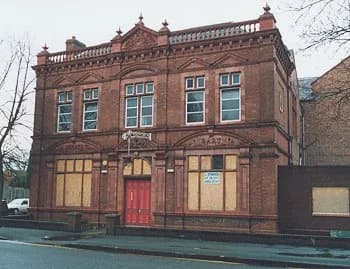
Town Engineer Captain Wilson famously drew inspiration from a grand Scottish design in Glasgow, contouring the sloping terrain of Mount Pleasant to construct an architectural triumph featuring ornate red brickwork and Lambeth School terracotta friezes.
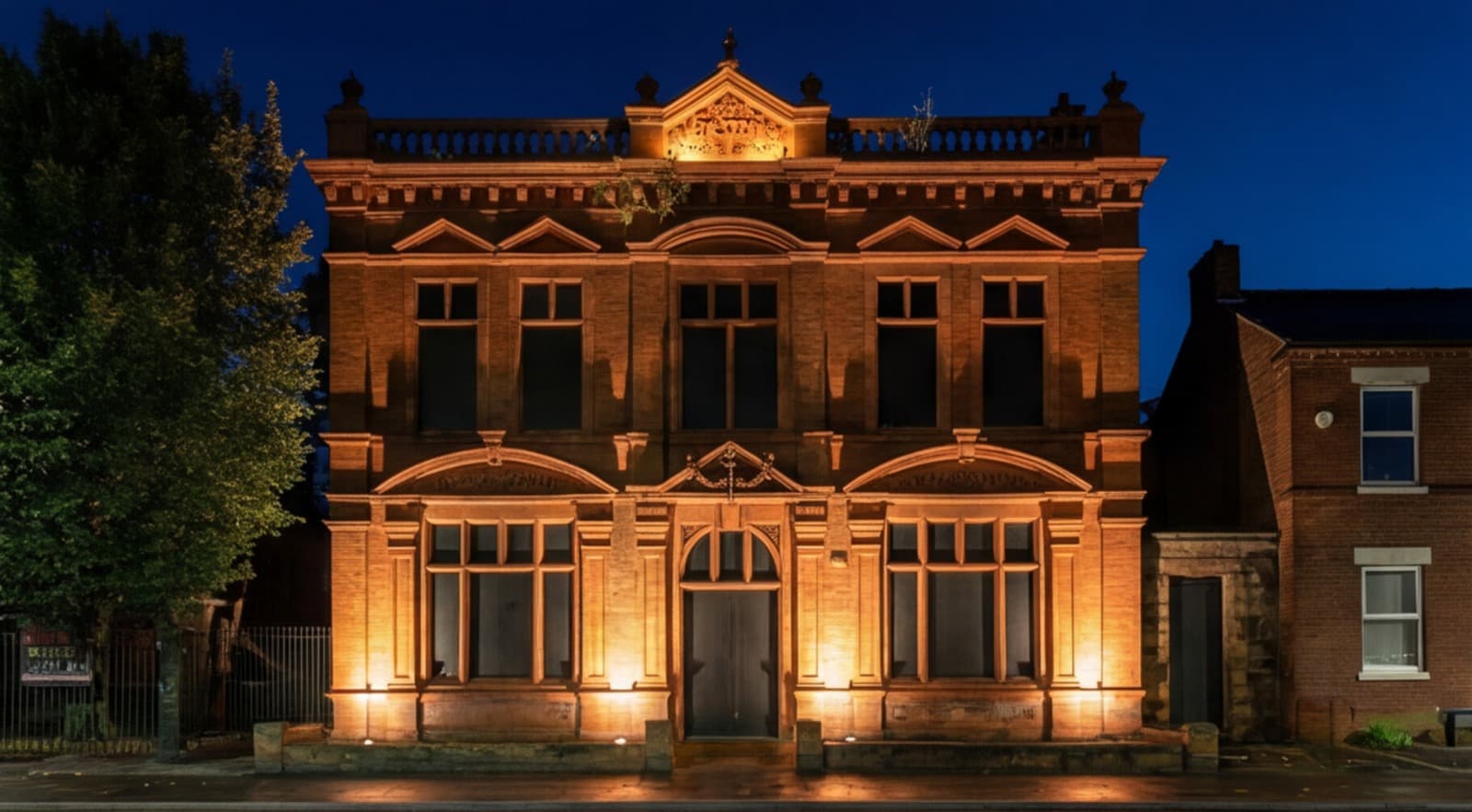
Archival photograph of the Bilston Science and Art School as it stood on Mount Pleasant at completion.
What The Building Looked Like
Rare historic photographs capturing the intricate terracotta facades, figure carvings, and original architectural layout of our home.
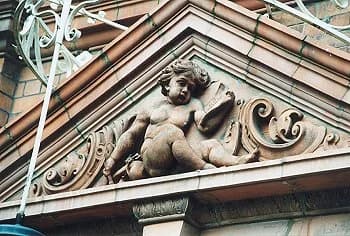
Entrance Figure Work
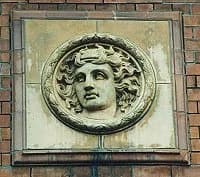
Original terracotta figure reliefs above the entrance portals commemorating science and the arts.
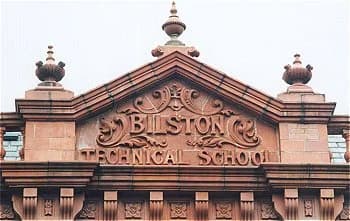
Terracotta Detailing
Intricate local red brick and ornamental terracotta friezes lining the Mount Pleasant frontage.
Contoured Elevation
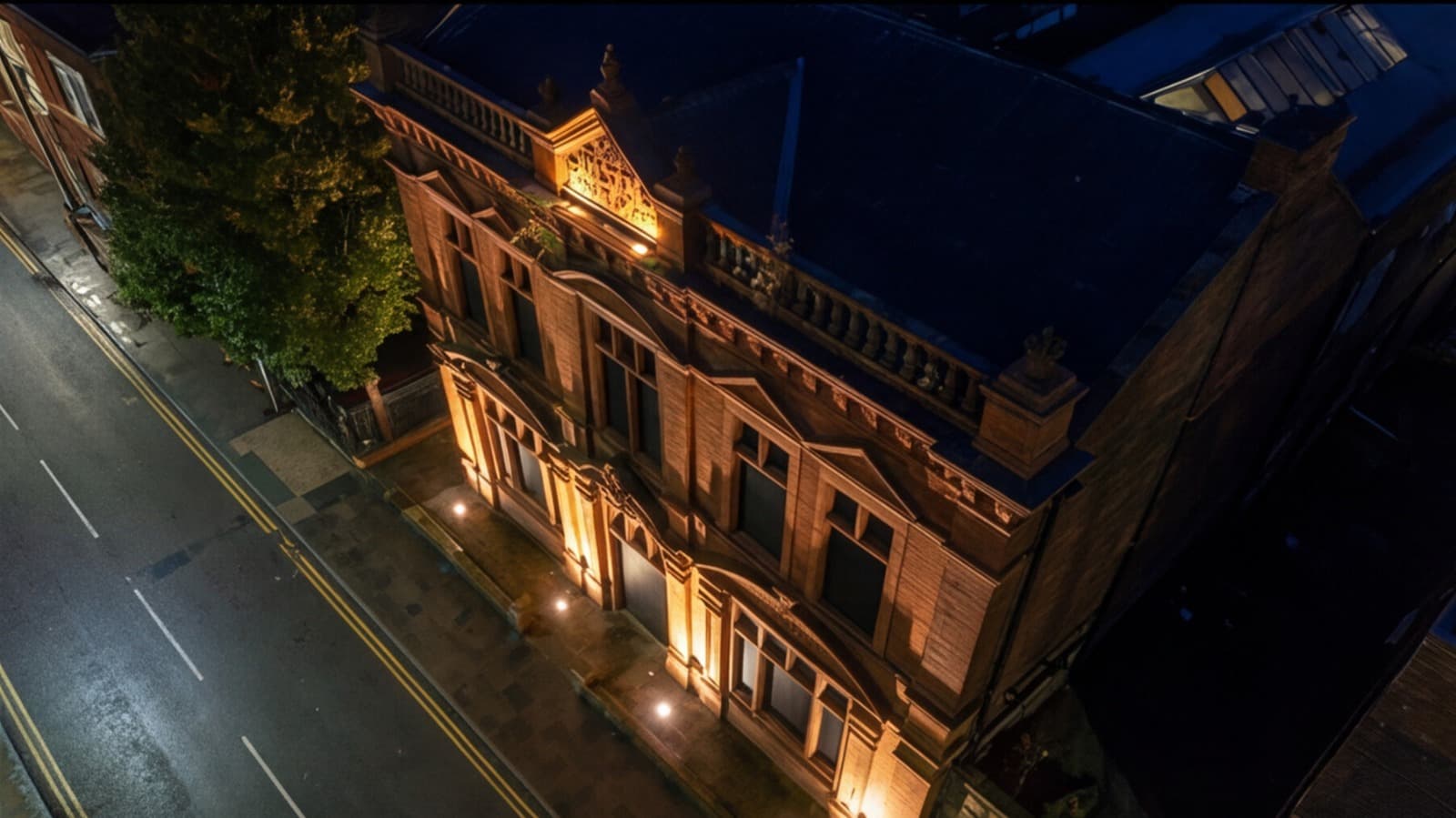
The original 1896 architectural elevation adapted from Glasgow blueprints to suit the sloping Bilston terrain.
Sculpted Keystone Heads
Three expressive carved classical busts adorning the side elevations of the landmark building.
Preserving a Bilston Monument
Before its revitalization into Victoria Food Village, this formidable structure was locally listed on 16th March 2000 in recognition of its extraordinary civic value. The classical elements, symmetry, and ornate chimneys reflect a level of quality typically reserved for country estates.
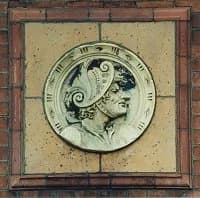
Carved Terracotta Heads
Sculpted stone and terracotta portrait roundels were set along the exterior facades by Percival Ball, paying homage to classical antiquity, human intellect, and the mechanical arts.
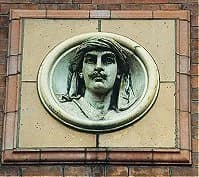
“A building that has served generations of Wolverhampton artists, makers, and innovators.”
1896 to Present: The Journey
From the Victorian Technical Instructions Act to its current incarnation as the premier community food hub of the West Midlands.
Laying the Groundwork
Following the Technical Instruction Act of 1893, Bilston secured funding to create a dedicated hub for technical education, science, and crafts. Town Engineer Captain Wilson adapted the architectural plans inspired by a Glasgow landmark, contouring the sloping Mount Pleasant grounds to begin construction.
Diamond Jubilee Opening
The Bilston School of Art & Technical School opened its doors to commemorate the Diamond Jubilee of Queen Victoria — the historic foundation and inspiration behind the name 'Victoria Food Village'. Renowned sculptor Percival Ball (Lambeth School of Art) crafted the entrance figurative roundels.
A Thriving Center of Craft & Innovation
The college became an indispensable center for the West Midlands industrial heartland, hosting state-of-the-art laboratories, engineering workshops, pottery kilns, art studios, and an examination hall under civic leaders such as J.W. Sankey and Sir Alfred Hickman.
Post-War Expansion & County College
Expanded with dedicated halls and classrooms, it became Staffordshire's first County College in 1949 before becoming an annexe to the newly built Westfield College in 1966. Its architectural elegance continued to dominate the Mount Pleasant streetscape.
Official Heritage Protection
On 16th March 2000, the building was officially locally listed by Wolverhampton City Council and protected within the Bilston Town Centre Conservation Area, preserving its Victorian red-brick facade and terracotta art.
Reborn as Victoria Food Village
Rescued from dereliction and revitalized, this Victorian architectural jewel now buzzes with the UK's finest independent food makers, artisans, music, and community spirit — honoring Queen Victoria's legacy in the heart of Bilston.
Experience Bilston's History
Step inside the landmark building that has defined Mount Pleasant for over 125 years. Experience the preserved Victorian architectural details firsthand while enjoying food and drinks from our curated independent vendors.
The “Borrowed” Glasgow Blueprints
Legend holds that when Captain Wilson traveled to inspect a newly completed building in Glasgow, he was so impressed that he “borrowed” the blueprints. When Bilston colleagues realized the plans were tailored for a site sloping from back to front, Wilson met the challenge head-on: he re-engineered and contoured the Mount Pleasant land itself, giving our home its commanding street elevation.